


Today, elevators are considered one of the most important components in buildings, each serving a specific purpose depending on the location. Imagine the problems residents would face if an elevator in a high-rise office or residential building broke down. Since elevators consist of complex components, repairing them when a problem arises is a difficult task. According to tests, if elevator maintenance and troubleshooting are performed on time, breakdowns occur much less frequently. Plus Group is here to provide you with important and practical tips.
Control Panel Troubleshooting
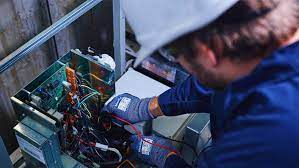
The control panel is of higher importance than other parts. Its main task is to process all data and commands sent by passengers to the elevator motor. The high quality and standardization of an elevator significantly affect the prevention of failures, especially in the control panel. It is possible that the control panel has failed due to improper usage culture or incorrect installation. Elevator and control panel troubleshooting must only be performed by elevator technicians, as it requires high precision and skill.
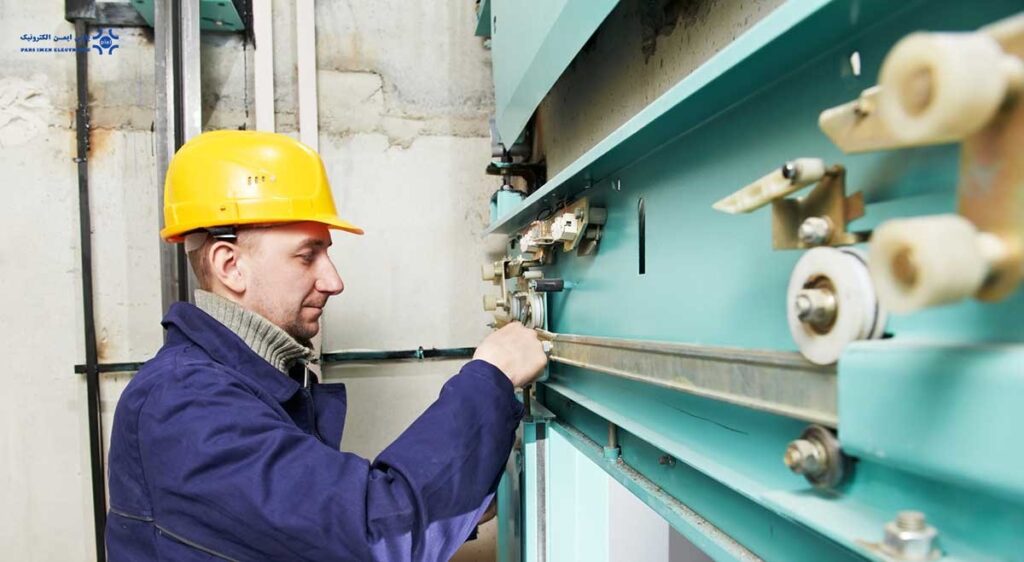
Motor Failing to Start
Sometimes the elevator motor makes a sound but does not move. In this situation, you must look for the cause of the failure. It is likely due to a malfunction in the centrifugal switch. Specifically, if the motor is off and the switch contacts are not connected, the starter winding will not enter the electronic circuit when the motor tries to start, and as a result, the motor will not move. During troubleshooting, first test the switch with an avometer; it must be replaced if broken or disconnected.
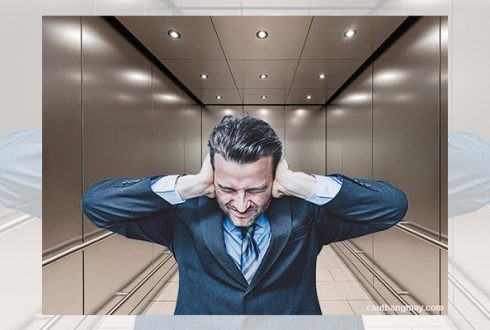
Low Speed and Long Wait Times
If an elevator meets sufficient standards and quality, it will certainly not face this problem. This issue occurs more often in older elevators due to declining quality. Troubleshooting and investigating this problem should only be done by elevator technicians, as it requires high expertise. In this case, the repairer should first test and increase the elevator’s efficiency by replacing the control panel with a newer one.
Elevator Doors Failing to Open on Floors
Elevators have two doors: the sliding cabin door and the landing door installed on each floor, which opens or closes after the elevator stops completely. Due to lack of troubleshooting, the elevator might stop at a floor, but the doors fail to open. This often happens because the floor lock handle has become distanced from the door-opening cam. The cam cannot push the lock back, leaving the door closed.
Banging Noises Between Floors
Hearing abnormal noises during movement indicates an elevator malfunction. These noises likely originate from the machine room or the motor. Factors involved in troubleshooting this include worn cabin shoes, shifted emergency brakes, loose cabin frame bolts, unadjusted safety gears (parachutes) or control panels, friction with fixed or moving parts, misaligned cabin rails, or shifted interior decorations.
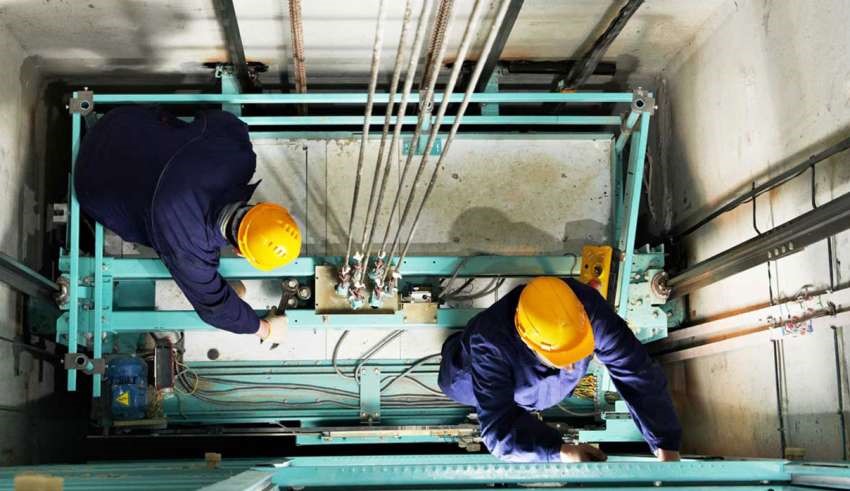
Overheating of the Elevator System
This problem is mostly observed in summer. The cause is often a malfunction in the cooling or ventilation system. If the cooling system fails, the control system temperature can reach up to 100 degrees, disrupting performance. It is worth noting that elevators and lifts perform best between 5 to 40 degrees. Always remind the technician to check the ventilation system during inspection.
Sudden Stops
You may have experienced the elevator suddenly stopping mid-way without a command from the panel. The main factors for this are timing disruptions, electrical faults, and electronic defects. To fix this, ask a technician to resolve the fault and conduct periodic inspections to prevent future occurrences.
Leveling Issues at Floor Stops
Sometimes the elevator stops at the destination floor without noise, but the cabin floor is not flush with the building floor. This problem occurs due to motor or sensor failure. During troubleshooting, pay close attention to the sensors and the motor, as unadjusted floor sensors or motor speed fluctuations cause this misalignment.
Elevator Power Outage
If the power goes out while you are inside a moving cabin, stay calm. Technicians can easily check the current and complete the troubleshooting process. Reports show that power outages are mostly due to mechanical or electrical disruptions in the elevator’s internal system.
Motor Start Causes Fuse Trip
When the motor starts, the circuit is cut because the fuse trips. In this case, the motor might be partially or completely burnt. To be sure, check the stator and motor windings. If you find a defect, repair or replace the part. A short circuit in the capacitor could also be the cause.
Conclusion
Regular maintenance and timely troubleshooting are vital for the safety and longevity of your elevator. By identifying issues like control panel faults, motor failures, or leveling problems early, you can prevent costly repairs and ensure passenger safety. Cabin Plus Industrial Group is dedicated to providing expert services to keep your systems running smoothly.